AI Infrastructure
Break into AI Infrastructure
How modern AI systems run in production — GPUs, Kubernetes, distributed training and serving LLMs at scale.
Roadmap
Your path, step by step.
Guides for each step are on the way. Subscribe to get them as they land.
- 1Coming soon
Kubernetes foundations
Scheduling, resources, storage and networking — the parts that matter for AI workloads.
- 2Coming soon
GPU fundamentals
How GPUs execute work: threads, warps, memory hierarchy and why it matters.
- 3Coming soon
GPUs on Kubernetes
Drivers, the device plugin, GPU Operator, sharing and isolation.
- 4Coming soon
Distributed training
Multi-node, multi-GPU training with PyTorch DDP, NCCL and Kubeflow Trainer.
- 5Coming soon
LLM inference
Serving models with vLLM, batching, KV cache, autoscaling and cold starts.
- 6Coming soon
ML pipelines
Kubeflow Pipelines and the operational side of ML workflows.
- 7Coming soon
Observability & cost
GPU metrics, utilisation, reliability and keeping costs under control.
Start here
Latest in AI Infrastructure.

Why Kubeflow Trainer Exists: The Journey from Single GPU Training to Distributed AI on Kubernetes
Understand the evolution from single GPU training to PyTorch DDP and discover why Kubernetes needs Kubeflow Trainer to orchestrate distributed AI workloads.
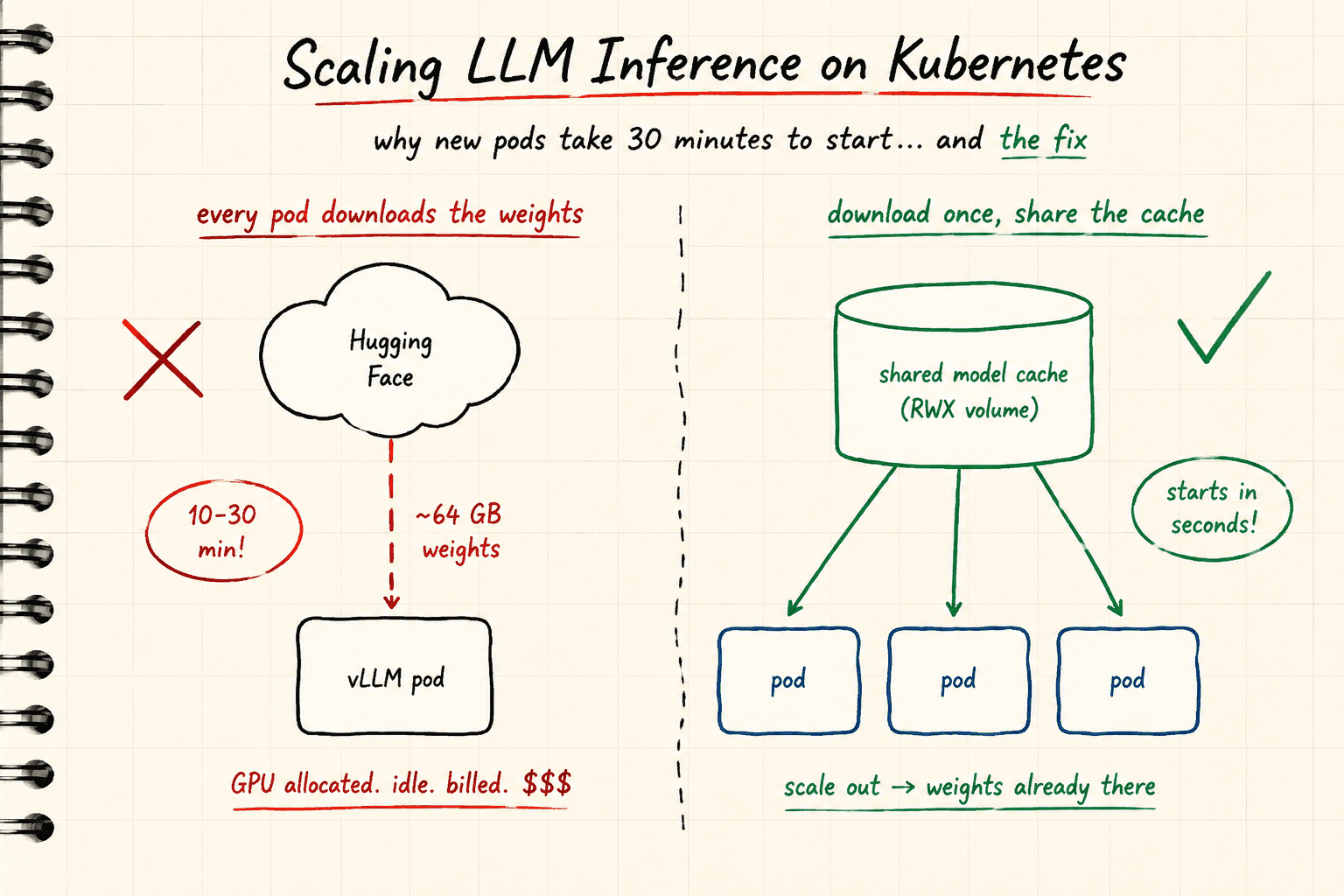
Scaling LLM Inference on Kubernetes: Why Your Pods Take 30 Minutes to Start (And How to Fix It)
Scaling AI models on Kubernetes is not like scaling a normal web service. The reason is simple: large models depend on things Kubernetes was never designed around — tens of gigabytes of model weigh…
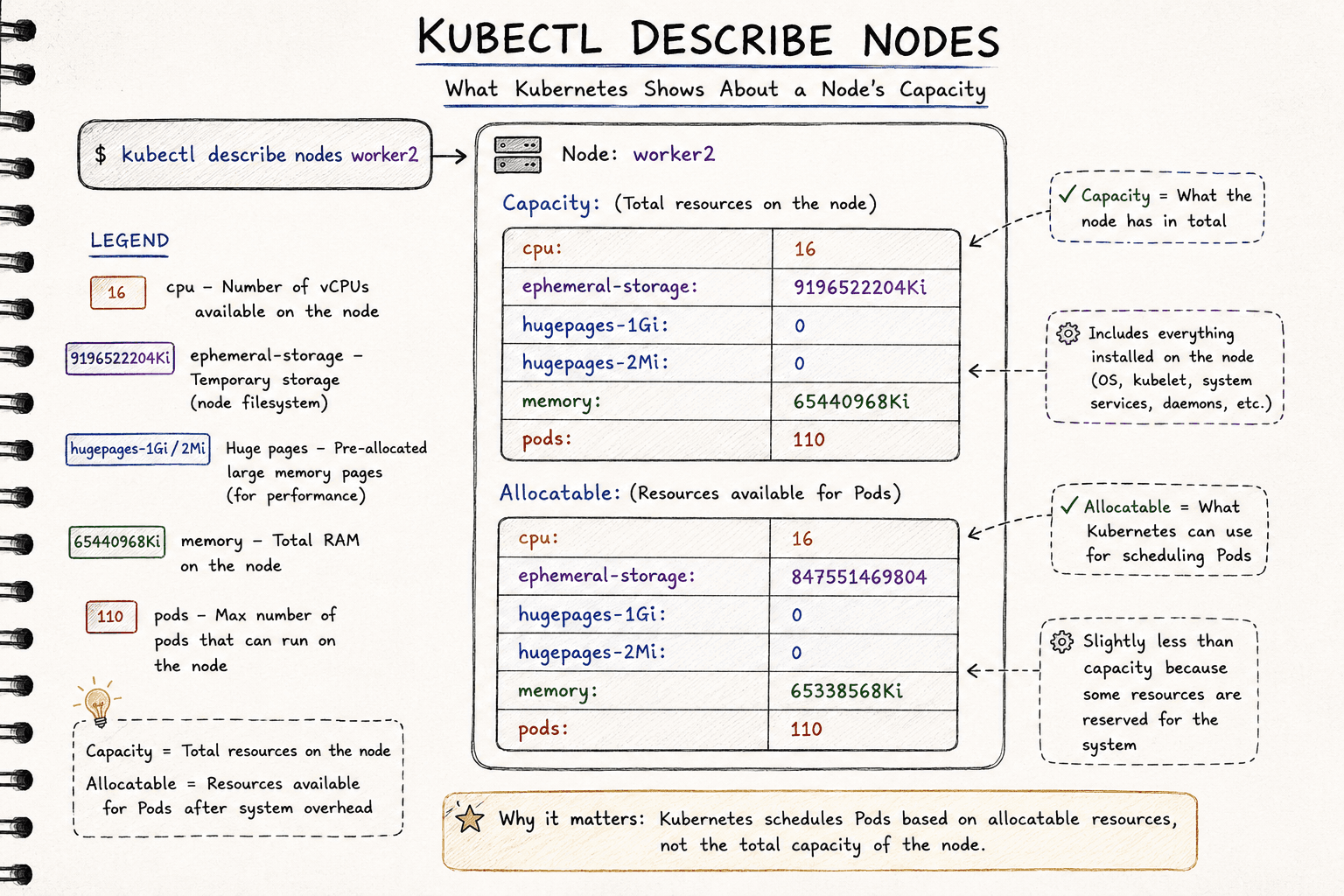
Understanding How Kubernetes Supports GPUs
Learn how Kubernetes discovers, schedules and exposes GPUs to containers, and why components like the Device Plugin and GPU Operator are essential for running AI workloads.
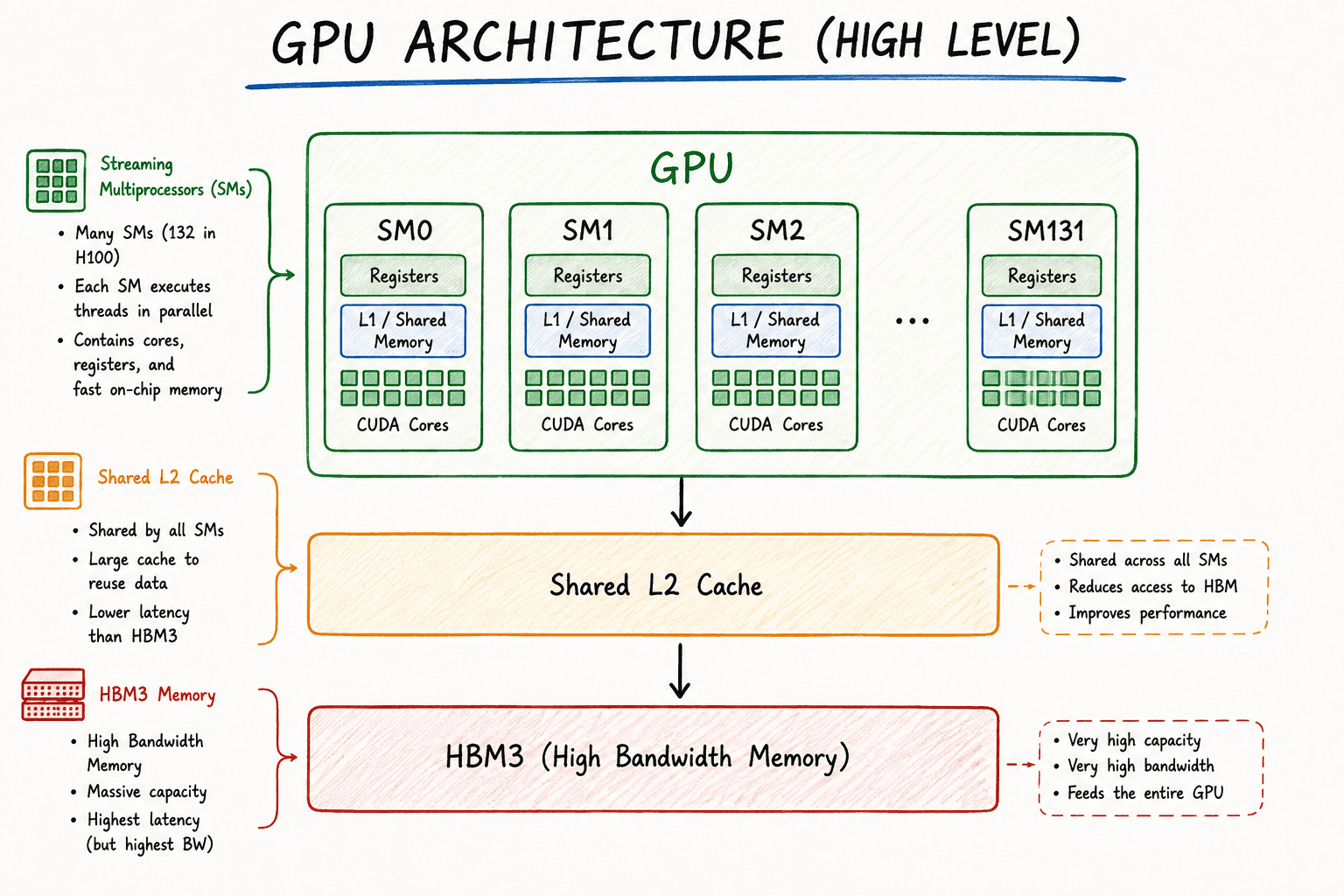
GPU Architecture Explained: How Modern GPUs Execute AI Workloads
A practical guide to modern GPU architecture, explaining how Streaming Multiprocessors, CUDA Cores and Tensor Cores work together to execute AI workloads.